Baccarat does not reward theatrics, and anyone who has spent a decade watching live tables knows the game runs on rhythm, not luck alone. baccarat strategies pros actually use are built around pace, discipline and a clear view of where the edge sits on each hand. That is the difference between a player who chases every shoe and one who knows when to step back.
Reading the table before the shoe starts
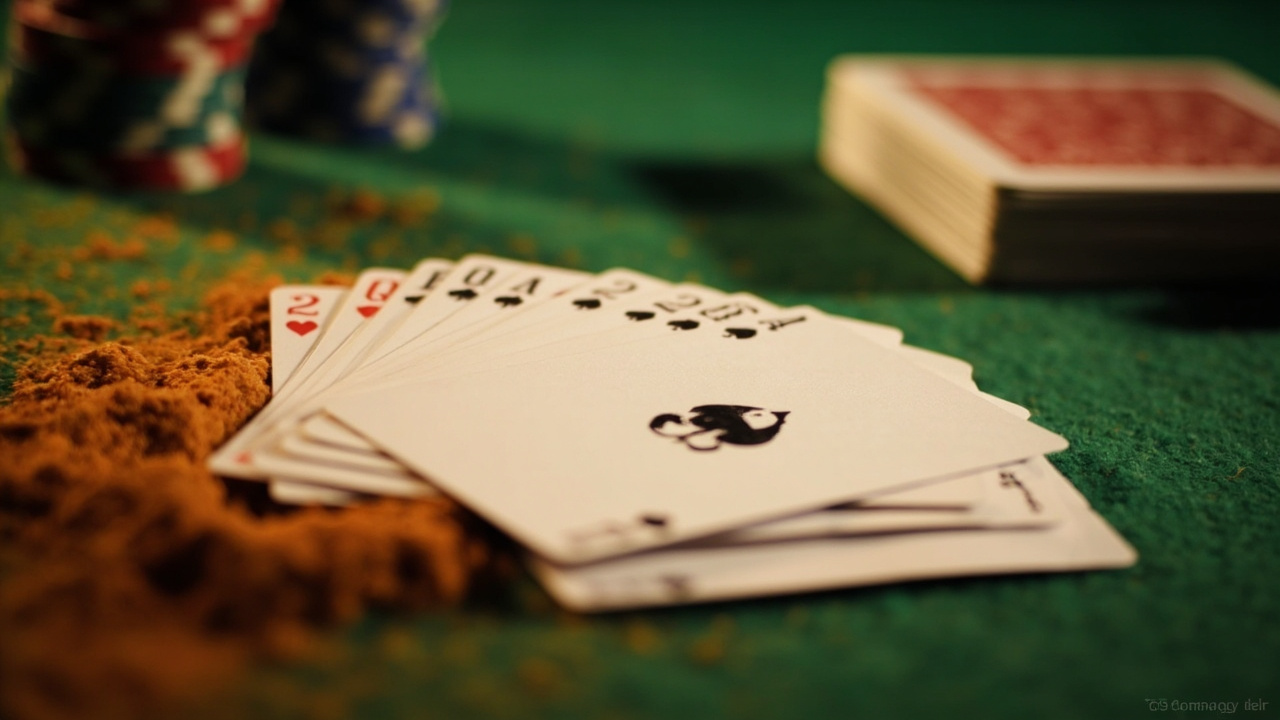
A proper read begins before the first card is dealt, and it is less about superstition than about understanding how a table behaves when the pace picks up. On a busy Gold Coast Thursday arvo, the local casino floor gets loud, but the serious players keep their eyes on the commission sheet and the rhythm of the shoe rather than the noise around them. Pros track where the action clusters, note how often the banker side holds through a streak, and decide early whether they are there for a slow grind or a sharper session. That is the kind of discipline I learned working across NextGen and IGT floors years ago, where a rushed decision on a live table cost more than a bad run on a screen.
The practical part is simple: watch the first ten to fifteen hands without committing serious money, note whether the table leans toward banker or player streaks, and set your stake range before the shoe gets hot. If the pace feels erratic or the staff are moving too fast for your comfort, walk on. There is no shortage of tables, and the Gold Coast venues have enough variety that you do not need to force a fit. A good read at this stage saves you from the most common mistake, which is letting a short run convince you the shoe has changed its mind.
What the pros actually do at the table
Staking that survives a bad patch
The first thing experienced players sort out is bankroll management, because a strategy that collapses after two losing hands is not a strategy at all. The approach that holds up is a flat or near-flat stake with a hard stop, adjusted only when the table dynamics genuinely shift rather than after every losing card. I have seen creative strategy teams run sessions the same way we used to pace a slot floor: set the parameters, respect the limits, and do not let a busy patch turn into a reckless one. The difference is that baccarat gives you a slower rhythm, which means you can actually stick to a plan if you are willing to.
A realistic session looks like this: pick a stake that lets you sit through a normal losing run without tightening up, take the banker commission into account when you work out your expected pace, and walk away once you hit your ceiling or your floor. The goal is not to manufacture a win out of a cold shoe, it is to keep the session profitable on the days the table cooperates and painless on the days it does not. That is the part most casual players miss, because they treat every hand like a fresh decision instead of one step in a longer run.
When to follow the flow and when to ignore it
Pattern spotting gets a bad reputation because people turn it into a religion, but there is a usable middle ground. Pros do not pretend the scorecard predicts the next card, they simply note whether a shoe is running in a way that suits their staking and whether the pace is worth staying for. If the banker side has been steady and your stake is sized for that kind of run, you stay engaged; if the shoe turns choppy and your plan depends on cleaner streaks, you tighten or step out. The trick is treating the scorecard as information, not as a promise.
That mindset lines up with what Dylan Green, Head of Live Casino, Coral Coast Interactive, has seen on the operational side: “Players who last are the ones who treat a live shoe as a pace problem, not a pattern problem – they know when the table is running their way and when it is just noise.” The quote is not a secret system, it is a reminder that discipline beats folklore every time, and it is the same kind of judgement call I used to make when deciding whether a new table layout was helping or hurting the flow of a session.
Bankroll, pace and the Gold Coast reality
The local context matters more than people admit. On the Gold Coast, a lot of play happens around holiday periods and long weekends, when the crowds are heavier and the tables run faster, and that is exactly when a loose session turns expensive. Add in the way a lot of Australians structure their spending around payday rhythms and cost-of-living pressure, and it becomes obvious that a baccarat session needs a hard ceiling before you sit down, not after. The sensible players I have watched treat the table like any other discretionary spend: set the limit, keep it separate from the bills, and do not let a winning patch convince you the ceiling has moved.
If you want a useful comparison for how a table-focused product handles pace and session control, it is worth comparing timing against notes on wolf treasure slot, where the same kind of session discipline shows up in a different format. The point is not that one format is better than the other, it is that the underlying habit – knowing your limit, respecting the pace, and leaving before the run turns – transfers across the floor. That is the part of baccarat strategies pros actually use that survives contact with a real weekend on the Gold Coast, where the noise is loud and the temptation to stay one hand longer is always there.
Who this approach suits and who it does not
This style of play suits players who are comfortable with a slower, more deliberate session and who would rather protect a bankroll than chase a big swing. It is a good fit for someone who can sit through a cold shoe without changing their stake out of frustration, and for anyone who treats a casino visit as a measured evening rather than a make-or-break night. It is less suited to players who need constant action, who struggle to leave a winning table, or who are banking on a single session to fix a tight week. There is no magic in the method, just a clearer relationship with the pace of the game.
If you are the sort of player who likes to compare how a live table feels against other floor products before committing serious time, it helps to read a measured take from a local gaming overview or a national gaming report and then decide whether the pace suits you. The comparison is not about finding a perfect fit, it is about knowing what kind of session you are signing up for before you put money on the felt. That is the practical heart of baccarat strategies pros actually use: a clear read, a firm limit, and the discipline to walk away when the table stops cooperating.
Baccarat rewards patience more than bravado, and the players who do well are the ones who treat each shoe as part of a longer run rather than a standalone event. Keep your stakes sensible, watch the pace before you commit, and leave the folklore to the crowd. That is the closest thing to a working approach, and it is the one that holds up on a busy Gold Coast floor as well as anywhere else.